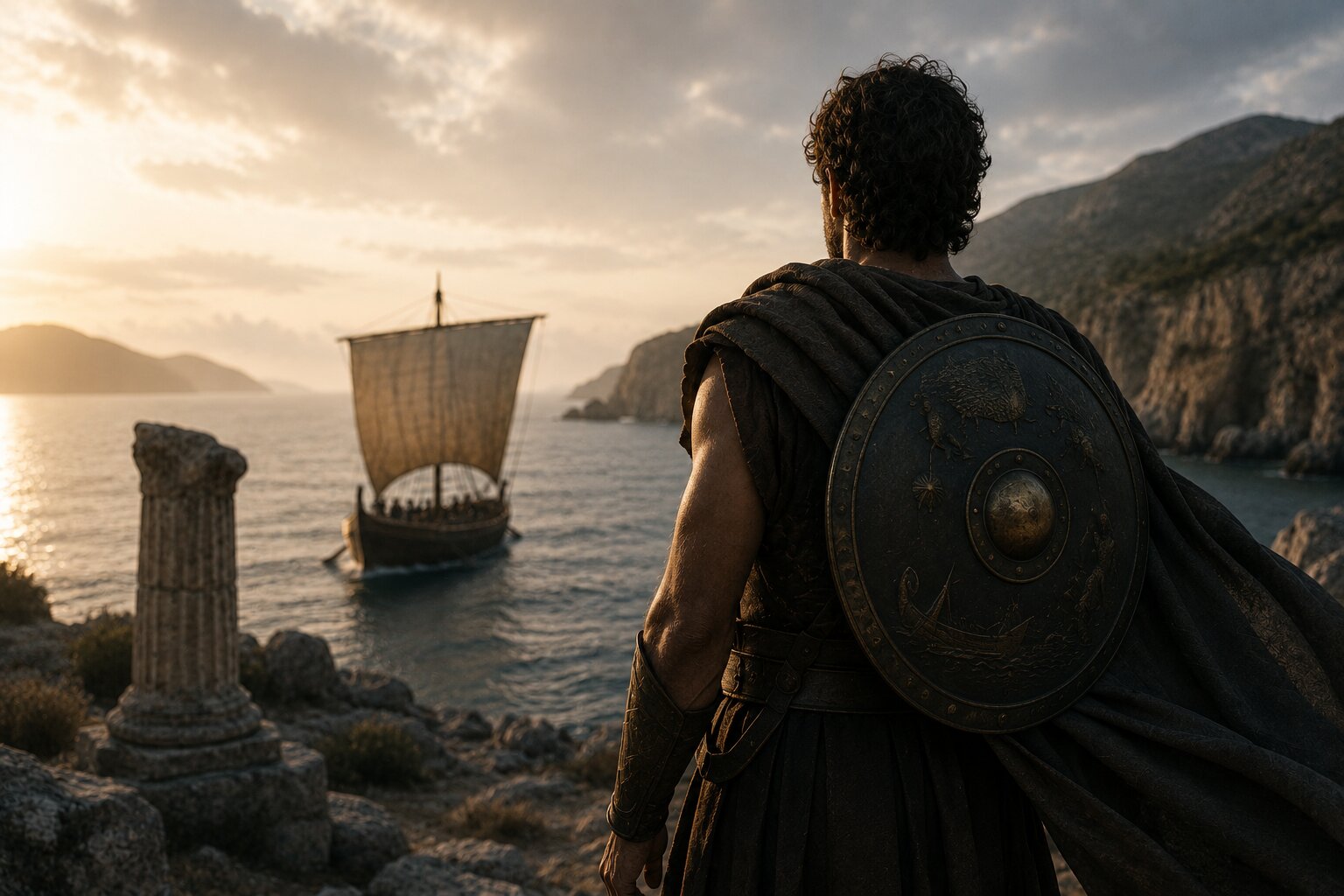
Epic adventures have never disappeared from cinema, but the way they’re made has changed dramatically. Over the last two decades, audiences have become accustomed to blockbuster films built around extensive visual effects, digital environments, and interconnected fictional universes. Those tools have expanded what filmmakers can create, but they’ve also sparked renewed appreciation for productions that feel tangible and grounded.
That conversation has gained momentum with The Odyssey film adaptation, directed by Christopher Nolan. Although every literary adaptation faces the challenge of honoring its source while speaking to modern audiences, this project has attracted attention for another reason: its emphasis on practical filmmaking techniques, real-world locations, and large-scale production whenever possible.
For readers who love books, film, and culture, this shift raises an interesting question. Is Hollywood rediscovering the value of physical craftsmanship in an increasingly digital age? This article explores why The Odyssey has become part of a larger conversation about storytelling, practical effects, and the enduring appeal of literary classics.
Key Takeaways
- The Odyssey remains one of the most influential works in Western literature.
- Practical filmmaking can create a stronger sense of realism and immersion.
- Literary adaptations continue to introduce classic stories to new audiences.
- Many filmmakers combine practical effects with digital technology rather than choosing one over the other.
- Audiences increasingly value authentic environments that support emotional storytelling.
- Christopher Nolan’s filmmaking style has helped renew interest in practical production techniques.
Why Does The Odyssey Still Matter Thousands of Years Later?
The answer is simple: its themes remain timeless.
Traditionally attributed to Homer, The Odyssey follows Odysseus as he struggles to return home after the Trojan War. Along the way, he encounters mythical creatures, impossible choices, dangerous seas, and personal trials that test his intelligence and resilience.
Although the poem dates back thousands of years, its central ideas—perseverance, identity, family, leadership, temptation, and belonging—continue to resonate with modern readers.
That’s one reason the work has inspired countless adaptations across literature, theater, television, and film. The British Museum provides extensive historical context about the ancient Greek world that shaped stories like The Odyssey, helping explain why these narratives continue to influence global culture today.
Why Is This Film Adaptation Receiving So Much Attention?
The excitement extends beyond the story itself.
Christopher Nolan has built a reputation for combining ambitious storytelling with practical filmmaking whenever possible. Throughout his career, he has favored real locations, large-scale physical sets, practical stunts, and in-camera effects instead of relying exclusively on computer-generated imagery.
That creative philosophy has naturally attracted attention as he approaches one of history’s best-known literary epics.
Rather than asking whether technology should disappear from filmmaking, many conversations surrounding the project focus on balance—using digital tools where necessary while preserving the physical presence that practical filmmaking often provides.
What Is Practical Filmmaking?
Practical filmmaking refers to techniques created during production rather than added entirely in post-production.
These techniques may include:
- Real-world filming locations
- Practical stunts
- Physical costumes
- Hand-built sets
- Miniatures
- Mechanical effects
- In-camera photography
Modern filmmaking frequently combines these methods with digital enhancements.
The goal isn’t necessarily to eliminate CGI. Instead, many filmmakers use practical elements to create believable foundations before adding digital effects that support the story.
This hybrid approach often helps performances feel more natural because actors interact with real environments instead of empty sound stages.
Why Do Practical Effects Feel Different?
Viewers often describe practical filmmaking as more immersive.
When actors perform inside physical environments, subtle details—from lighting to movement to texture—can contribute to a stronger sense of realism.
Of course, outstanding digital effects can achieve remarkable results as well. The difference often lies in how the two approaches work together.
Practical production creates visual details that audiences may not consciously notice but often instinctively recognize.
The American Society of Cinematographers regularly explores how cinematography and production techniques shape audience perception, demonstrating that visual storytelling involves far more than technology alone.
How Does Practical Filmmaking Benefit Literary Adaptations?
Literary adaptations face a unique challenge.
Readers often form vivid mental images while reading classic novels and epics. Filmmakers must translate those imagined worlds into believable cinematic experiences.
Practical filmmaking can support this process by creating environments that feel lived in rather than entirely computer-generated.
Historic architecture, natural landscapes, handcrafted costumes, and authentic lighting often reinforce the emotional tone of classic stories.
For works like The Odyssey, where the physical journey is central to the narrative, real environments may strengthen the audience’s connection to the characters’ experiences.
Is Hollywood Moving Away From CGI?
Not entirely.
Computer-generated imagery remains one of modern cinema’s most valuable creative tools.
Many films would be impossible without it.
Instead, current conversations suggest that audiences appreciate productions where practical craftsmanship and digital technology complement one another.
Rather than replacing practical filmmaking, CGI works most effectively when it enhances scenes that already feel grounded.
Many acclaimed filmmakers—including Christopher Nolan, Denis Villeneuve, Greta Gerwig, and others—have demonstrated that practical techniques still play an essential role in contemporary filmmaking.
Why Are Classic Literary Adaptations Thriving Again?
Classic literature continues offering stories with remarkable staying power.
Unlike trend-driven entertainment, works such as The Odyssey, Frankenstein, Pride and Prejudice, and Jane Eyre explore universal questions about courage, ambition, love, justice, and human nature.
Each generation discovers these stories differently.
Film adaptations provide an opportunity for readers and non-readers alike to experience familiar narratives through contemporary filmmaking while encouraging renewed interest in the original books.
Organizations such as the Library of Congress continue preserving and promoting classic literary works because they remain important cultural resources that shape education, storytelling, and historical understanding.
What Can Readers Learn From This Cultural Moment?
The renewed interest in practical filmmaking reflects something larger than cinema.
Across books, fashion, music, photography, and design, many people are showing renewed appreciation for physical craftsmanship and tangible experiences.
Printed books continue attracting readers despite digital publishing.
Film photography remains popular alongside smartphones.
Vinyl records coexist with streaming platforms.
Independent bookstores continue thriving despite online retail.
Rather than rejecting technology, many people simply value experiences that feel authentic and thoughtfully made.
Seen through that lens, The Odyssey becomes more than another blockbuster adaptation. It represents a broader cultural appreciation for stories created with patience, craftsmanship, and lasting artistic ambition.
You might also enjoy: Top Reasons Gavin Rossdale Credits Moon Palace for His Art
Could Practical Epic Storytelling Shape Future Films?
It certainly could influence future productions, although no single film determines an industry’s direction.
Successful literary adaptations often encourage studios to invest in similar projects.
Likewise, films praised for practical craftsmanship may inspire future directors to combine physical filmmaking with modern digital tools in creative ways.
The future of cinema is unlikely to become entirely practical or entirely digital.
Instead, it will probably continue blending both approaches, allowing filmmakers to choose whichever techniques best serve each individual story.
Worth exploring: Kavalier & Clay Pushed Kal Penn to Reflect on His Own Past
Frequently Asked Questions
What is The Odyssey about?
The Odyssey is an ancient Greek epic traditionally attributed to Homer. It follows Odysseus as he attempts to return home after the Trojan War while facing numerous physical and emotional challenges.
What are practical effects in filmmaking?
Practical effects are visual elements created physically during production, such as real sets, costumes, props, stunts, miniatures, and location photography rather than relying solely on digital effects.
Why are literary adaptations still popular?
Classic books explore timeless themes that remain meaningful across generations. Film adaptations introduce these stories to wider audiences while encouraging renewed interest in the original works.
Does practical filmmaking replace CGI?
No. Most modern productions use both practical effects and CGI together, selecting whichever techniques best support the story and visual experience.
Related Reading: The themes of leadership, resilience, and personal growth found in The Odyssey continue to resonate today. If you’d like to explore those ideas further, the I AM LEADER limited-edition book set offers a modern perspective on developing authority, purpose, and lasting influence.
Bottom Line
The Odyssey film adaptation highlights an enduring truth about storytelling: technology works best when it serves the narrative rather than overshadowing it. By emphasizing practical filmmaking alongside modern cinematic tools, the project reflects a broader appreciation for craftsmanship, timeless literature, and immersive storytelling. If this renewed interest inspires you, revisiting Homer’s original epic is one of the best ways to appreciate why its journey continues to captivate audiences thousands of years after it was first told.

Related posts: