Direct Answer
A business that survives for more than a century has to do more than keep its doors open. It must recognize when the people around it need something different and be willing to adapt. Speck Dealerships in Sunnyside, Washington, has followed that path since 1912.
The dealership is sometimes described as the richest car dealership in America, but its story is not primarily about luxury vehicles or impressive sales figures. Its history shows how a local business can build lasting value by responding to the needs of the community it serves.
A Century of Adjusting to Local Needs
Speck began serving Sunnyside in 1912, in a community where agriculture, family businesses, and personal relationships played important roles. Over the decades, the dealership experienced changing economic conditions and different demands from local customers.
That history required flexibility. The business could not rely on one approach to serve every generation. Its continued presence reflects a willingness to adjust its work as circumstances changed.
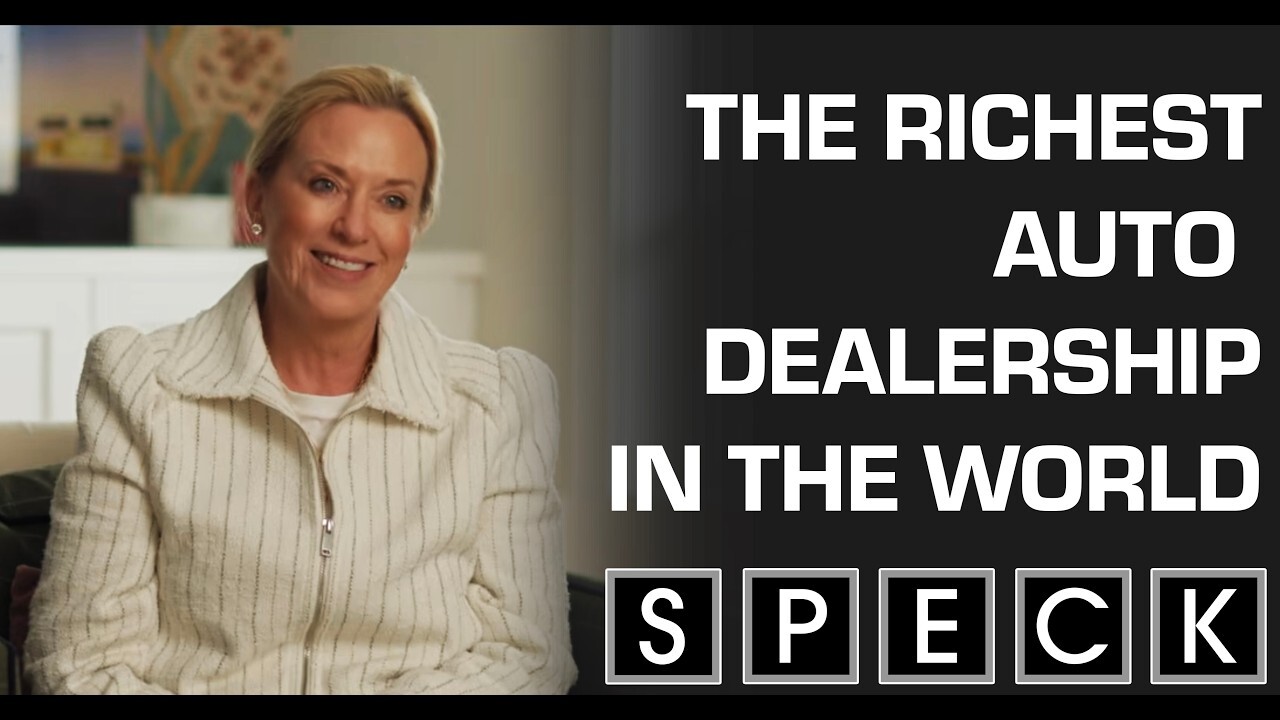
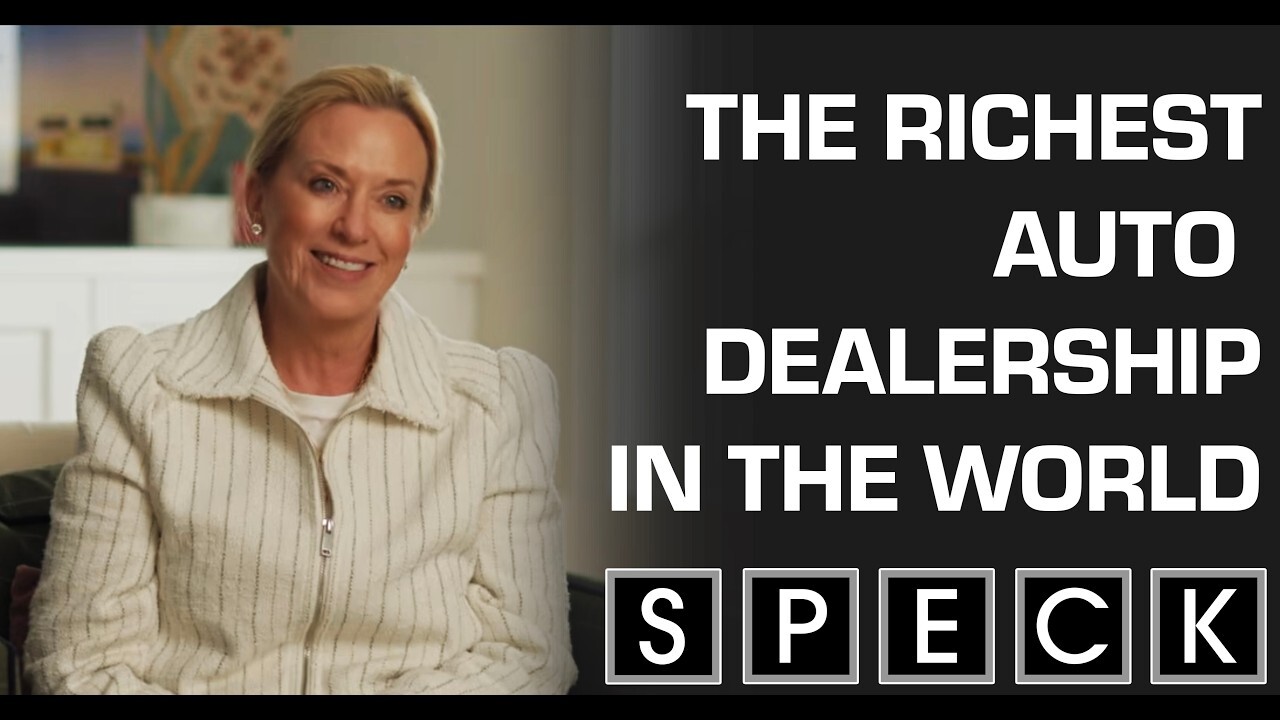
Fourth-generation owner Katy Moore now carries that history forward. The dealership’s records include unusual forms of down payment, such as guns, rings, and cows, illustrating how transactions sometimes reflected the practical realities of the people doing business there.
When Keeping a Business Open Meant Creating Opportunity
The Great Depression tested businesses across the country. Rather than simply retreating during that difficult period, Speck’s founder opened another dealership, creating work and offering a measure of optimism to the surrounding community.
The decision is an important part of the dealership’s history because it shows how business activity can have an effect beyond the owner and employees. A functioning local business can also provide opportunities for the people who depend on it.
This willingness to respond to circumstances became a recurring feature of Speck’s story.
Changing the Work During World War II
World War II brought another major change. During the war, Speck’s service operation shifted toward manufacturing equipment needed for the war effort.
The dealership was no longer focused solely on its usual automotive work. It adapted its capabilities to meet a different demand at a time when the country needed additional support.
These moments help explain why the richest car dealership in America is an unusual description of Speck. Its history includes periods when its contribution mattered as much as its commercial activity.
The Value of People Who Know the Business
A business can replace equipment, update its processes, and change its services. Replacing decades of accumulated experience is more difficult.
Some Speck employees have worked with the organization for more than 50 years. Some customers have purchased vehicles through three generations of dealership owners.
Long relationships can give a business a better understanding of the people it serves. Employees who remain for decades may become familiar with customers’ histories and needs, while returning customers have an established relationship with the dealership.
That continuity is part of the value behind Speck’s reputation. It also helps explain why the richest car dealership in America is associated with trust built over time rather than a single successful year.
Supporting a Local Cancer Center After Personal Loss
Community involvement can become especially meaningful when it grows out of a difficult personal experience.
After General Manager Andy Flynn’s wife died following a battle with cancer, Speck committed October sales and service proceeds to a local cancer center. The donations helped the center purchase more sophisticated diagnostic software.
The contribution connected the dealership’s business activity with a need affecting local families. Rather than treating community support as a separate public-relations exercise, Speck directed resources toward an institution serving people in its own area.
Understanding the Importance of Harvest Season
Sunnyside’s agricultural community has practical needs that can become urgent when equipment breaks down. A malfunction during harvest can interrupt work at a particularly important time for farmers.
Speck has helped local farmers get back to work when equipment problems threaten to delay the harvest. This kind of assistance depends on understanding the local economy and recognizing why timely service matters.
For a dealership serving an agricultural region, that knowledge is part of doing business responsibly.
A Business Accountable to Its Community
Katy Moore has summarized Speck’s connection to the area with the words, “It’s where we live. It’s the people we know.”
That statement brings together the dealership’s long history of adapting to local circumstances. Its employees, customers, farmers, and community institutions are not distant audiences. They are people and organizations connected to the place where the business operates.
Calling Speck the richest car dealership in America therefore points to a broader idea of wealth. Its story includes commercial activity, but also employment, long-term customer relationships, support during difficult periods, and contributions to local needs.
Final Thoughts
Speck Dealerships has remained part of Sunnyside through more than a century of change. Its founder responded to the Great Depression, its service operation adapted during World War II, and later generations continued supporting customers, farmers, and local healthcare.
The business’s history offers a reminder that lasting success is not only about what a company sells. It is also about whether people can rely on it as their circumstances change.
For Speck, that connection is captured in a simple idea: a business has a responsibility to the community in which it lives. That is what makes its claim to being the richest car dealership in America meaningful.
Related reading on funzalo.com: A Washington car-buying checklist; Why women’s rodeo is growing.

Related posts: